Blog Lobby
Ecommerce Email Marketing Trends for 2026: How AI Is Changing Lifecycle Strategy
–
min. read
February 8, 2026
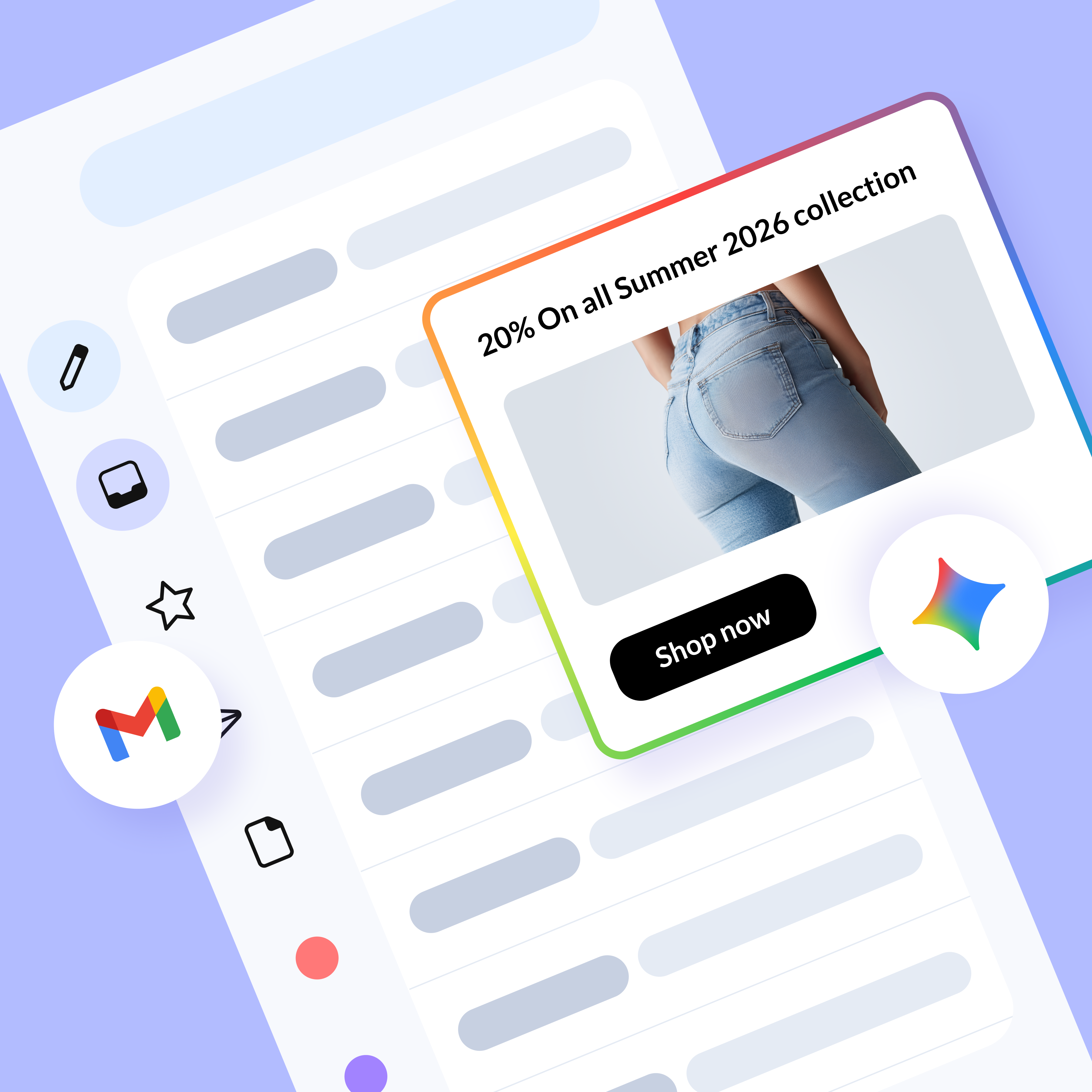
In 2026, email marketing for ecommerce brands is being reshaped by AI-powered inboxes, agentic commerce, and automated lifecycle decisioning. Inbox placement is increasingly algorithm-driven, personalization is no longer a nice-to-have, and lifecycle automation now matters more than one-off campaigns.
This guide covers the six key trends shaping ecommerce email marketing in 2026: how smarter inboxes rank your messages, how "agentic commerce" changes purchase behavior, and what this means for your automation strategy, creative systems, and measurement.
The inbox has become a curated feed. AI is the first reader of your messages.
Email apps now group, rank, and summarize messages. Assistants scan for deals, receipts, and tasks. Your email's impact is now the combination of what you send and how these systems choose to present it.
Recent updates from major providers have accelerated this shift:
Where you land, main inbox, promotions tab, or low-priority folders, depends on engagement history, spam complaints, and long-term behavior patterns, not just technical authentication.
Many inboxes show quick summaries like "3 new offers from Brand X" or "Your order ships tomorrow," allowing people to grasp the point without opening.
Filters and assistants parse emails to understand: what is this about? What's being offered? What actions are possible? What dates or prices matter?
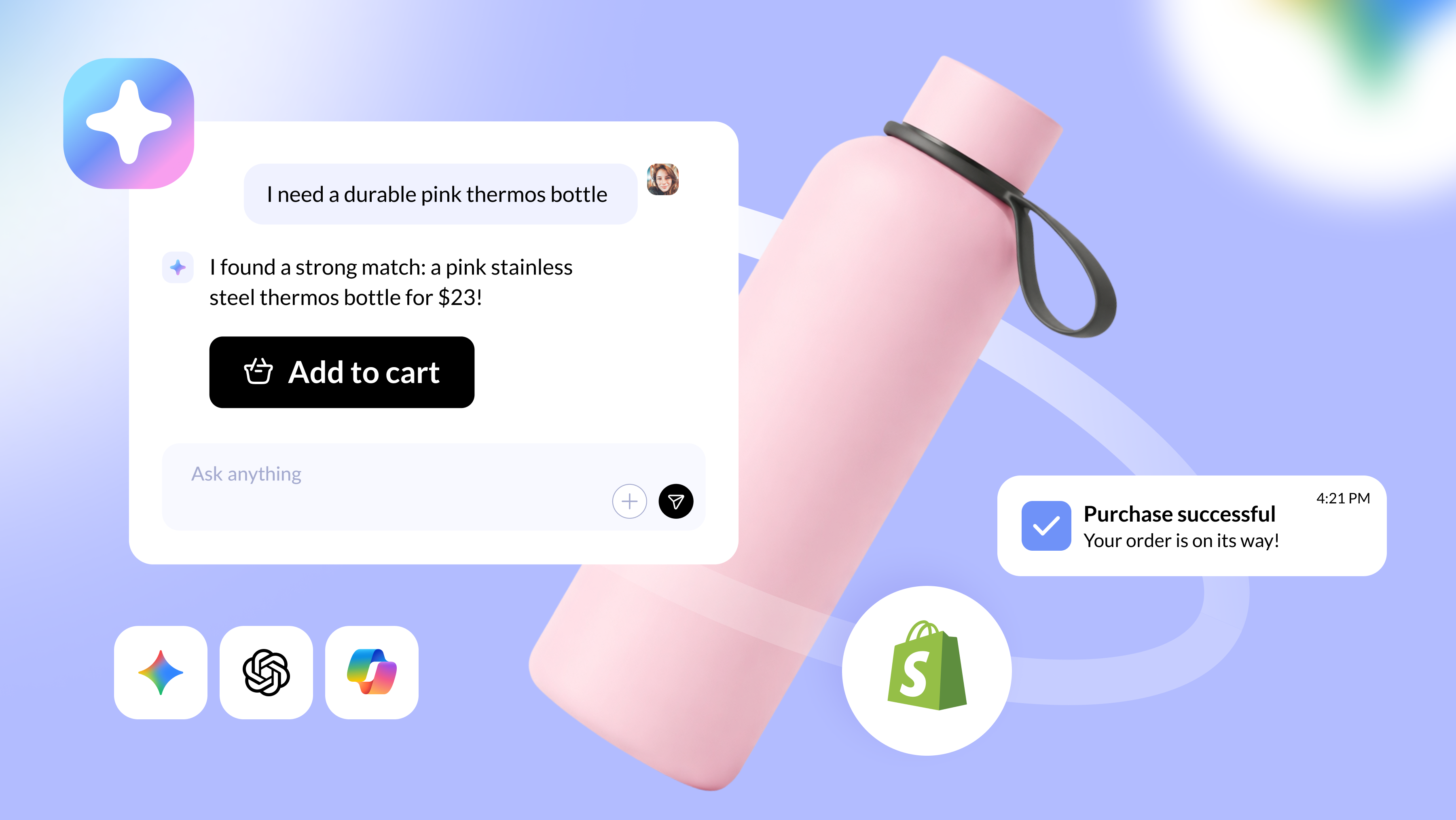
A growing share of customers will rely on personal AI assistants (ChatGPT, Claude, Gemini, Siri) to manage their inbox and shopping. These assistants read your emails, compare offers, and sometimes take actions without users clicking through traditional funnels.
An assistant might:
You're not only grabbing human attention, you're also giving AI assistants enough structured information to act confidently on behalf of their users.
Emails that clearly state facts ("Your plan renews on March 5 for $39") are more useful to AI than fuzzy emotional appeals ("we miss you!") with no specifics.
In 2026, brands that still rely mainly on one‑off campaigns are structurally behind. The real gains come from automated flows tied to specific customer moments, intent and behavior.
Automated email flows typically outperform campaigns in efficiency, engagement, and conversion rates, while campaigns are better for short-term revenue bursts. Because flows are behavior-driven, they generate more consistent long-term revenue. AI has amplified this advantage by making flow optimization faster, more adaptive, and more precise.
Your baseline should cover:
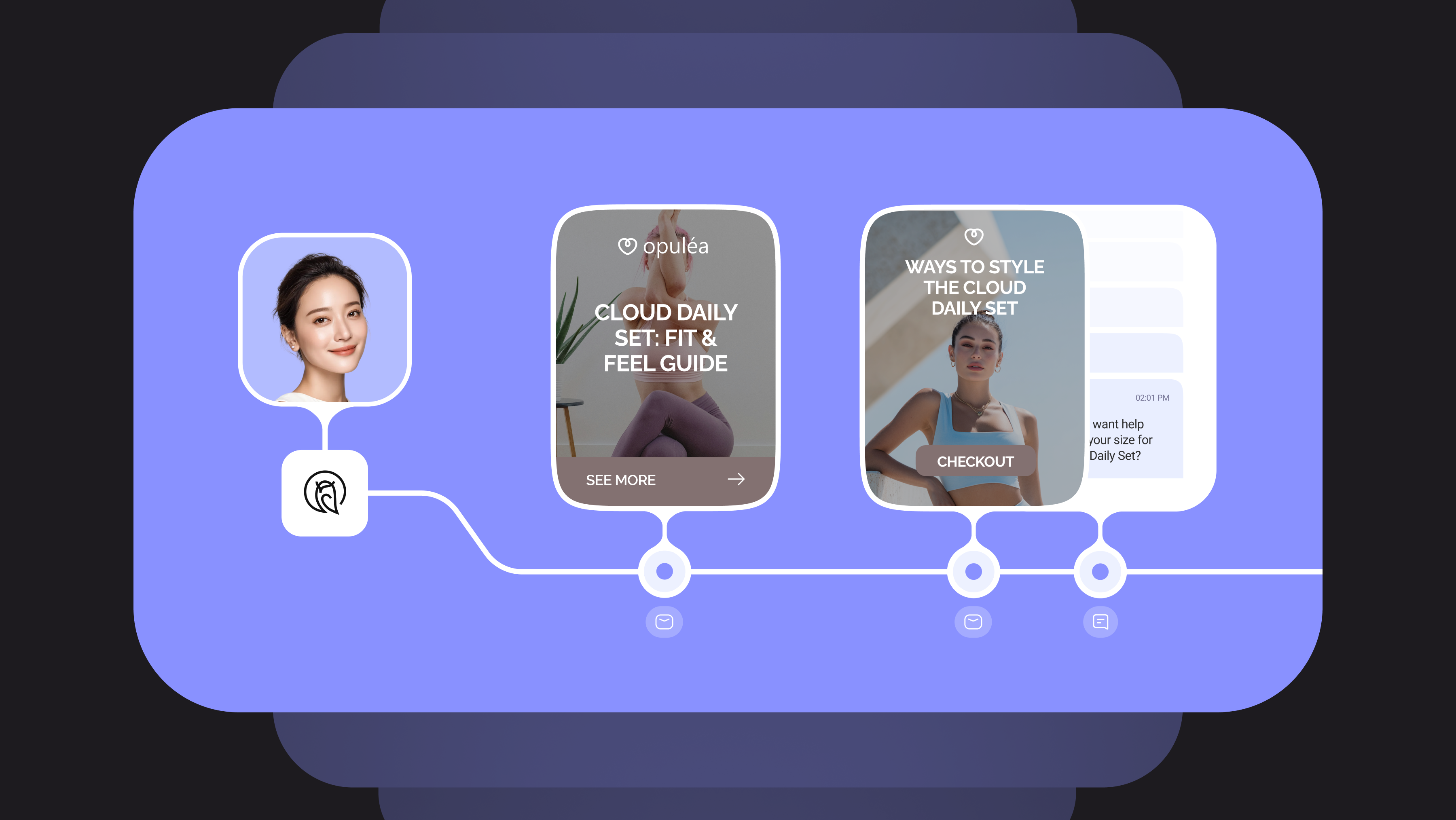
AI tools like Monocle continuously optimize send time, frequency, message selection, and content sequencing for each customer using behavioral data and predictive modeling.
We’re already seeing this shift in practice. Brands like Origin USA replaced fixed winback schedules with AI-optimized timing and message orchestration, driving a 17X revenue uplift while reducing manual flow management. This is the direction lifecycle automation is moving: fewer rigid rules, more adaptive decisioning.
Privacy shifts and smarter filtering have turned bad list habits into real business risks. It’s much easier for inbox providers to spot brands that have true permission versus those leaning on volume and vague consent.
Patterns that hurt you:
List management patterns that help you:
You don't need to turn every sign-up into a 10-question survey, but you should:
In this environment, keeping thousands of uninterested subscribers on your list isn't "free reach,” it directly weakens your ability to reach people who actually care.
Key insights: For 43% of people, the primary reason they unsubscribe from an email list is that the sender emails them too often. In addition, 46% of people report the primary reason they open all emails from a brand is that the brand consistently sends relevant messages. AI decisioning solves this by finding optimal contact cadence per customer, not per campaign calendar.
The bottleneck in AI-powered lifecycle marketing isn't technology, it's whether AI can actually understand your brand.
The brands seeing the best results don't just turn on AI and hope for the best. They build structured creative systems that enable them to feed AI with rich context and then generate, test, and optimize at scale while maintaining brand consistency.
Document what "on-brand" actually means so AI has clear instructions:
Create modular, reusable components AI can assemble and test:
Now AI can optimize at scale:
Key principle: AI should remix your brand, not invent it. Better inputs = better outputs.
As inboxes and assistants become more active, some traditional metrics lose clarity. Opens are noisy when content is pre‑loaded or scanned by machines. Click paths can be less direct when assistants help complete tasks.
That doesn’t reduce email’s value, but it does change what you should watch most closely:
Inbox health indicators:
Flow coverage metrics:
Customer-level outcomes:
Use holdout groups for major flows to measure true incremental impact. Instead of trying to track every touchpoint, run controlled experiments:
This shows the real revenue impact of your lifecycle programs, not just correlation.
Email in 2026 is less about chasing short‑term wins and more about building a dependable machine that compounds over time.
If you lead CRM, lifecycle, or ecomm at a DTC brand, you don’t need a total rebuild to stay ahead. You do need to make a few deliberate shifts.
In the next 90 days:
Over the next year:
As inboxes get smarter, lifecycle marketing has to get smarter too.
The problem isn’t volume. It’s decision quality.
Monocle’s AI Journeys plug into your existing stack and replace static flows and segmentation with individual-level decisioning. The AI adapts lifecycle programs in real time across:
Instead of building more rules, teams define guardrails and let AI handle the constant optimization that’s impossible to manage manually at scale.
The result is lifecycle marketing that feels as personalized and responsive as the AI-powered inboxes customers are now using.
The inbox in 2026 isn’t just where messages land. It’s an intelligent system that filters, summarizes, prioritizes, and increasingly takes action on behalf of customers.
For DTC brands, that means:
• Designing emails for both humans and machines
• Shifting from campaign-first to lifecycle-first thinking
• Using AI to optimize decisions at scale, not just automate sends
The brands that win won’t be the ones sending more email. They’ll be the ones building adaptive lifecycle systems that compound performance over time.
If you want to see how AI-driven lifecycle marketing works in practice, you can explore Monocle’s case studies or book a short walkthrough to see AI Journeys in action.
The biggest trends include AI-powered inbox ranking and summarization, agentic commerce interactions, automated lifecycle optimization, individual-level personalization, and a shift away from campaign-first strategies toward always-on behavioral flows.
AI inboxes now summarize messages, prioritize content, group similar emails, and surface actions before users open emails. This means inbox placement and visibility depend more on engagement quality, clarity of content, and relevance signals than on send volume alone.
Agentic commerce refers to AI assistants acting on behalf of users during shopping and inbox management. These assistants read emails, compare offers, trigger reorders, and surface actions. For brands, this means emails must clearly communicate prices, actions, deadlines, and product details in structured, machine-readable formats.
Yes. Automated lifecycle flows consistently outperform one-off campaigns in engagement, conversion, and long-term revenue because they are triggered by real customer behavior. AI further improves flows by dynamically optimizing timing, cadence, and content at the individual level.
Personalization is shifting from static segmentation to individual-level decisioning. Instead of grouping customers into buckets, AI-driven systems personalize timing, content selection, incentives, and channel mix for each subscriber based on behavior and intent signals.
List quality matters more than list size. High engagement rates, low spam complaints, and relevance signals now drive inbox placement. Sending fewer, more targeted emails to engaged subscribers performs better than blasting large unengaged lists.
Brands should:
This helps both humans and AI systems understand and prioritize messages.
The most important metrics include:
Opens alone are no longer reliable.
Brands should:
Small changes compound over time.
Monocle replaces static segmentation and fixed flows with AI-driven lifecycle decisioning. It dynamically optimizes send timing, cadence, content selection, incentive strategy, and channel coordination using first-party customer data, helping brands increase retention and revenue without adding manual operational work.
Learn how AI Journeys personalize the lifecycle experience for every customer.